 https://santafeobgyn.com/wp-content/uploads/2025/12/pelvic-floor-therapy-santa-.png
200
281
admin
https://santafeobgyn.com/wp-content/uploads/2025/05/l3-santa-fe-obgyn.png
admin2025-11-28 05:08:192025-12-05 05:45:07Pelvic Floor Therapy Improves Circulation, Healing & Hormones
https://santafeobgyn.com/wp-content/uploads/2025/12/pelvic-floor-therapy-santa-.png
200
281
admin
https://santafeobgyn.com/wp-content/uploads/2025/05/l3-santa-fe-obgyn.png
admin2025-11-28 05:08:192025-12-05 05:45:07Pelvic Floor Therapy Improves Circulation, Healing & HormonesFrequently Asked Questions About Pelvic Floor Therapy
Pelvic floor therapy is a highly effective treatment for numerous conditions affecting both women and men – yet many people are not familiar with it. Many people suffer with urinary incontinence, pelvic pain, sexual dysfunction, and other quality-of-life issues without realizing that specialized physical therapy can provide significant relief. At Santa Fe OBGYN, board-certified OBGYN Lynore Martinez, MD works closely with our licensed physical therapist and certified pelvic floor therapist Jacqueline Maestas, DPT to provide comprehensive pelvic floor therapy that addresses the root causes of pelvic dysfunction rather than just managing symptoms.
Understanding what pelvic floor therapy involves, who it helps, and what to expect from treatment empowers patients to seek the care they need. These frequently asked questions address the concerns most people have when considering this specialized form of physical therapy for the first time.
What Is Pelvic Floor Therapy?
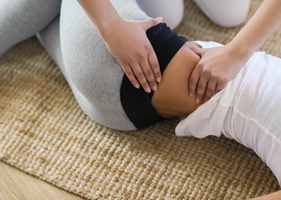
Pelvic floor therapy is a specialized type of physical therapy focused on the muscles, ligaments, and connective tissues that support the pelvic organs including the bladder, uterus, prostate, and rectum. These muscles control urinary and bowel function, support sexual function, and stabilize the pelvis and lower back. When pelvic floor muscles become too tight, too weak, or uncoordinated, they can cause a wide range of symptoms that pelvic floor therapy addresses through manual techniques, exercises, and education.
Licensed physical therapist and certified pelvic floor therapist Jacqueline Maestas, DPT at Santa Fe OBGYN uses evidence-based techniques including internal and external manual therapy, biofeedback, therapeutic exercises, and behavioral modifications to restore normal pelvic floor function and eliminate symptoms.
Who Benefits from Pelvic Floor Therapy?
Pelvic floor therapy helps anyone experiencing symptoms related to pelvic floor dysfunction regardless of age or gender. Women commonly seek treatment for urinary incontinence after childbirth, painful intercourse, pelvic organ prolapse, or chronic pelvic pain. Men benefit from pelvic floor therapy for prostatitis symptoms, erectile dysfunction, urinary issues after prostate surgery, and chronic pelvic pain.
People with chronic constipation, painful bowel movements, tailbone pain, or lower back pain that hasn’t responded to traditional treatment may also have underlying pelvic floor dysfunction. At Santa Fe OBGYN, board-certified OBGYN Lynore Martinez, MD evaluates patients to determine whether pelvic floor therapy would be beneficial and coordinates care with Jacqueline Maestas, DPT for comprehensive treatment.
What Conditions Does Pelvic Floor Therapy Treat?
Pelvic floor therapy addresses numerous conditions including urinary incontinence (stress, urge, and mixed types), pelvic organ prolapse, chronic pelvic pain, painful intercourse, vaginismus, endometriosis-related pain, painful periods, constipation, fecal incontinence, and post-surgical pain. In men, pelvic floor therapy treats chronic prostatitis, erectile dysfunction, premature ejaculation, urinary issues, and post-prostatectomy complications.
The treatment also helps pregnancy-related issues like pelvic girdle pain and diastasis recti, and supports postpartum recovery by restoring pelvic floor strength and coordination. Licensed physical therapist and certified pelvic floor therapist Jacqueline Maestas, DPT at Santa Fe OBGYN creates individualized treatment plans addressing each patient’s specific symptoms and underlying dysfunction.
What Happens During a Pelvic Floor Therapy Session?
Initial pelvic floor therapy sessions begin with comprehensive evaluation including detailed medical history, symptom discussion, and functional assessment. The therapist evaluates posture, movement patterns, breathing mechanics, and external musculature before performing an internal examination if appropriate and consented to. This internal assessment evaluates muscle tone, strength, coordination, and identifies tender points or restrictions requiring treatment.
Treatment techniques used during pelvic floor therapy sessions include external manual therapy – and may also include internal therapy (with the patient’s permission) to release tight muscles and fascia. Biofeedback may be used to help patients learn proper muscle activation, therapeutic exercises targeting weakness or incoordination, and education about bladder and bowel habits, postural corrections, and home exercises are also often employed. At Santa Fe OBGYN, Jacqueline Maestas, DPT ensures patients understand each aspect of treatment and feel comfortable throughout the process.
Is Pelvic Floor Therapy Painful?
Pelvic floor therapy should not be painful, though patients with significant muscle tension or tenderness may experience temporary discomfort during manual release techniques similar to deep tissue massage elsewhere in the body. Licensed physical therapist and certified pelvic floor therapist Jacqueline Maestas, DPT works within each patient’s comfort level, adjusting pressure and techniques based on feedback.
Many patients actually experience immediate relief during pelvic floor therapy sessions as tight muscles are released and blood flow improves. Any soreness after treatment typically resolves within a day or two as tissues respond to the manual work. At Santa Fe OBGYN, patient comfort and safety are prioritized throughout the therapeutic process.
How Long Does Pelvic Floor Therapy Take to Work?
Response to pelvic floor therapy varies based on the severity and duration of symptoms, underlying conditions, and patient compliance with home exercises and behavioral modifications. Some patients notice improvement immediately or after just a few sessions, while others require multiple weeks or months of consistent treatment to achieve optimal results. Most patients complete 6-12 sessions over several months, though complex or chronic conditions may require longer treatment.
Improvement tends to be progressive, with gradual reduction in symptoms rather than sudden resolution. Licensed physical therapist and certified pelvic floor therapist Jacqueline Maestas, DPT at Santa Fe OBGYN tracks progress throughout treatment and adjusts approaches based on response to ensure optimal outcomes.
Do I Need a Referral for Pelvic Floor Therapy?
Insurance requirements regarding referrals for pelvic floor therapy vary by plan. Some insurance companies require physician referrals while others allow direct access to physical therapists. Board-certified OBGYN Lynore Martinez, MD at Santa Fe OBGYN can provide referrals when needed and coordinates care with Jacqueline Maestas, DPT to ensure comprehensive treatment.
Even when referrals aren’t required, medical evaluation before beginning pelvic floor therapy helps rule out conditions requiring different treatments and ensures therapy is safe and appropriate. At Santa Fe OBGYN, seamless coordination between Dr. Martinez and the pelvic floor therapy services provides patients with comprehensive, integrated care.
Will Pelvic Floor Therapy Require Internal Work?
Internal examination and treatment are often components of pelvic floor therapy because they allow direct assessment and treatment of the pelvic floor muscles. However, not every patient requires internal work, and those who do always provide informed consent before any internal examination or treatment occurs. Some patients achieve significant improvement through external techniques alone.
Licensed physical therapist and certified pelvic floor therapist Jacqueline Maestas, DPT at Santa Fe OBGYN explains the rationale for internal work, what it involves, and respects patient preferences regarding treatment approaches. Building trust and ensuring comfort are essential priorities throughout the therapeutic relationship.
Can Pelvic Floor Therapy Help with Sexual Function?
Pelvic floor therapy significantly improves sexual function by addressing muscle tension that causes painful intercourse, improving blood flow to sexual organs, enhancing muscle coordination needed for arousal and orgasm, and reducing anxiety related to sexual activity. In women, pelvic floor therapy treats vaginismus, painful penetration, and difficulty achieving orgasm. In men, treatment addresses erectile dysfunction, premature ejaculation, and painful ejaculation.
The improvements in sexual function from pelvic floor therapy enhance quality of life and intimate relationships substantially. At Santa Fe OBGYN, licensed physical therapist and certified pelvic floor therapist Jacqueline Maestas, DPT provides compassionate, professional care addressing these sensitive concerns.
What Should I Expect After Completing Pelvic Floor Therapy?
After completing pelvic floor therapy, most patients experience significant symptom reduction or resolution and possess the knowledge and skills to maintain their improvements long-term. Patients learn self-management techniques including exercises, stretches, and behavioral modifications they can continue independently. Some patients require occasional “tune-up” sessions if symptoms begin returning.
Long-term success from pelvic floor therapy depends on continuing the habits and exercises learned during treatment. Board-certified OBGYN Lynore Martinez, MD at Santa Fe OBGYN provides ongoing medical management while Jacqueline Maestas, DPT remains available for follow-up if needed to support sustained improvement.
Pelvic Floor Therapy | Santa Fe
Pelvic floor therapy provides effective treatment for numerous conditions affecting quality of life, from urinary incontinence and pelvic pain to sexual dysfunction and post-surgical complications. Understanding what this specialized physical therapy involves, who it helps, and what to expect empowers patients to seek the care they need rather than suffering unnecessarily with treatable conditions.
At Santa Fe OBGYN, board-certified OBGYN Lynore Martinez, MD and licensed physical therapist and certified pelvic floor therapist Jacqueline Maestas, DPT provide comprehensive, caring, coordinated care addressing pelvic floor dysfunction through evidence-based treatment. If you’re experiencing symptoms related to pelvic floor dysfunction, schedule an appointment to discover how pelvic floor therapy can improve your quality of life.
Santa Fe Pelvic Floor Therapy: 505-988-4922

Thanks For Visiting Our Blog
Thank you for visiting the Live Well Blog, where we keep our patients up-to-date on the latest developments, news, research, and technology in the field of natural medicine. Here you will find information to naturally support & heal your body, so you can engage in your life purpose of connection and emotional and spiritual growth. Please check back often as we add new information that can help you live a longer, happier, and healthier life.
https://santafeobgyn.com/wp-content/uploads/2025/12/pelvic-floor-therapy-santa-.png
200
281
admin
https://santafeobgyn.com/wp-content/uploads/2025/05/l3-santa-fe-obgyn.png
admin2025-11-28 05:08:192025-12-05 05:45:07Pelvic Floor Therapy Improves Circulation, Healing & Hormones https://santafeobgyn.com/wp-content/uploads/2025/12/women-pelvic-floor-therapy.png
200
281
admin
https://santafeobgyn.com/wp-content/uploads/2025/05/l3-santa-fe-obgyn.png
admin2025-11-28 05:07:372025-12-05 05:44:11Pelvic Floor Therapy Treats Pain, Releasing Fascia Tension
https://santafeobgyn.com/wp-content/uploads/2025/11/pelvic-floor-therapy-faqs.png
200
281
admin
https://santafeobgyn.com/wp-content/uploads/2025/05/l3-santa-fe-obgyn.png
admin2025-11-28 04:28:382025-12-05 05:41:48Frequently Asked Questions About Pelvic Floor Therapy
https://santafeobgyn.com/wp-content/uploads/2025/12/women-pelvic-floor-therapy.png
200
281
admin
https://santafeobgyn.com/wp-content/uploads/2025/05/l3-santa-fe-obgyn.png
admin2025-11-28 05:07:372025-12-05 05:44:11Pelvic Floor Therapy Treats Pain, Releasing Fascia Tension
https://santafeobgyn.com/wp-content/uploads/2025/11/pelvic-floor-therapy-faqs.png
200
281
admin
https://santafeobgyn.com/wp-content/uploads/2025/05/l3-santa-fe-obgyn.png
admin2025-11-28 04:28:382025-12-05 05:41:48Frequently Asked Questions About Pelvic Floor Therapy https://santafeobgyn.com/wp-content/uploads/2025/10/pelvic-therapy-santa-fe.png
300
300
admin
https://santafeobgyn.com/wp-content/uploads/2025/05/l3-santa-fe-obgyn.png
admin2025-10-27 23:02:272025-12-05 02:22:48What Is Pelvic Floor Therapy and Can It Help Me?
https://santafeobgyn.com/wp-content/uploads/2025/10/pelvic-therapy-santa-fe.png
300
300
admin
https://santafeobgyn.com/wp-content/uploads/2025/05/l3-santa-fe-obgyn.png
admin2025-10-27 23:02:272025-12-05 02:22:48What Is Pelvic Floor Therapy and Can It Help Me? https://santafeobgyn.com/wp-content/uploads/2025/09/m-pelvic-floor-therapy.jpg
472
472
admin
https://santafeobgyn.com/wp-content/uploads/2025/05/l3-santa-fe-obgyn.png
admin2025-10-27 22:39:322025-12-05 02:25:03Don’t Suffer with Painful Cramps – Pelvic Floor Therapy Can Help
https://santafeobgyn.com/wp-content/uploads/2025/09/m-pelvic-floor-therapy.jpg
472
472
admin
https://santafeobgyn.com/wp-content/uploads/2025/05/l3-santa-fe-obgyn.png
admin2025-10-27 22:39:322025-12-05 02:25:03Don’t Suffer with Painful Cramps – Pelvic Floor Therapy Can Help