 https://santafeobgyn.com/wp-content/uploads/2025/12/pelvic-floor-therapy-santa-.png
200
281
admin
https://santafeobgyn.com/wp-content/uploads/2025/05/l3-santa-fe-obgyn.png
admin2025-11-28 05:08:192025-12-05 05:45:07Pelvic Floor Therapy Improves Circulation, Healing & Hormones
https://santafeobgyn.com/wp-content/uploads/2025/12/pelvic-floor-therapy-santa-.png
200
281
admin
https://santafeobgyn.com/wp-content/uploads/2025/05/l3-santa-fe-obgyn.png
admin2025-11-28 05:08:192025-12-05 05:45:07Pelvic Floor Therapy Improves Circulation, Healing & HormonesPelvic Floor Therapy Addresses Pain by Releasing Fascia Tension
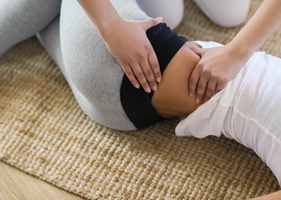
Many people suffering from chronic thigh, abdominal, or lower back pain – but cannot identify the cause or find relief. They may even undergo extensive testing and try multiple treatments without finding relief. What they often don’t realize is that their pain may originate from pelvic floor dysfunction and fascial restrictions connecting the pelvis to surrounding areas. At Santa Fe OBGYN, licensed physical therapist and certified pelvic floor therapist Jacqueline Maestas, DPT helps patients understand how pelvic floor therapy addresses pain that seems unrelated to the pelvic region by releasing fascial tension and restoring proper muscle function throughout the entire core and hip complex.
Understanding the interconnected nature of pelvic floor muscles, fascia, and surrounding structures helps explain why targeted pelvic floor therapy can resolve pain that traditional approaches haven’t successfully treated. The key lies in addressing the root cause rather than just managing symptoms in the areas where pain manifests.
How Pelvic Floor Dysfunction Causes Pain Beyond the Pelvis
The pelvic floor muscles don’t function in isolation but work as an integrated part of the body’s core stabilization system. These muscles connect through fascial networks to the inner thighs, lower abdomen, lower back, and hips, creating a continuous web of tissue that transmits tension throughout the region. When pelvic floor muscles become tight, weak, or uncoordinated, the resulting dysfunction affects connected structures, causing pain that may seem unrelated to the pelvis.
Trigger points in pelvic floor muscles commonly refer pain to the thighs, groin, abdomen, and lower back through neural and fascial pathways. According to research in pain science, myofascial trigger points create predictable referral patterns, meaning tight pelvic floor muscles consistently produce pain in specific distant locations. Without addressing the source dysfunction through pelvic floor therapy, treating only the pain location provides temporary relief at best.
Board-certified OBGYN Lynore Martinez, MD at Santa Fe OBGYN recognizes these pain patterns and refers appropriate patients to our own in\-house licensed physical therapist and certified pelvic floor therapist Jacqueline Maestas, DPT for comprehensive evaluation and treatment.
Understanding Fascia and Its Role in Pelvic Floor Therapy
Fascia is the connective tissue that surrounds, supports, and connects all muscles, organs, and structures throughout the body. Like a three-dimensional web, fascia creates continuity between distant body parts, allowing forces and restrictions in one area to affect function and sensation elsewhere. The fascial system connecting the pelvic floor to the thighs, abdomen, and lower back means tension or restrictions in pelvic floor muscles create pulling, tightness, and pain in these connected regions.
Healthy fascia moves freely, allowing muscles to glide smoothly and joints to move through full ranges of motion. Trauma, surgery, chronic inflammation, poor posture, or prolonged muscle tension can cause fascia to become thick, sticky, and restricted. These fascial adhesions limit mobility and create painful tension throughout connected tissues that pelvic floor therapy addresses through specialized manual techniques.
At Santa Fe OBGYN, Jacqueline Maestas, DPT uses advanced myofascial release techniques during pelvic floor therapy to restore fascial mobility and eliminate the restrictions causing pain in the thighs, abdomen, and lower back.
How Pelvic Floor Therapy Releases Thigh Pain
Inner thigh pain, groin discomfort, and hip pain frequently stem from pelvic floor muscle dysfunction and fascial restrictions connecting the pelvic floor to the hip adductors and hip flexors. Trigger points in the pelvic floor muscles refer pain directly into the inner thighs, while fascial tension creates pulling sensations and restricted movement. Traditional treatment targeting only the thigh muscles fails because the source of dysfunction remains in the pelvis.
Pelvic floor therapy addresses thigh pain by releasing tight pelvic floor muscles through internal manual therapy, eliminating trigger points, and restoring proper muscle activation patterns. External fascial release techniques address the connective tissue linking the pelvis to the thighs, allowing unrestricted movement and eliminating the pulling sensation that creates discomfort. Therapeutic exercises retrain coordination between pelvic floor and hip muscles for lasting improvement.
Licensed physical therapist and certified pelvic floor therapist Jacqueline Maestas, DPT at Santa Fe OBGYN has helped numerous patients resolve chronic thigh and groin pain through targeted pelvic floor therapy that addresses the true source of their symptoms.
How Pelvic Floor Therapy Addresses Abdominal Pain
Lower abdominal pain, particularly in women, is often attributed to gynecological issues when the actual source is pelvic floor dysfunction and fascial restrictions. The pelvic floor connects directly to the lower abdominal muscles through fascial planes, and dysfunction in one affects the other. Chronic pelvic floor tension creates pulling on abdominal fascia that manifests as lower abdominal discomfort, cramping, or pain that worsens with certain movements or positions.
Pelvic floor therapy releases abdominal pain by addressing the underlying muscle tension and fascial restrictions in the pelvic floor. Manual therapy techniques decompress the pelvis, release trigger points, and restore mobility to restricted fascia connecting the pelvic floor to the abdominal wall. This comprehensive approach eliminates the mechanical cause of pain that medications or other treatments cannot address.
Board-certified OBGYN Lynore Martinez, MD at Santa Fe OBGYN works closely with Jacqueline Maestas, DPT to ensure patients with chronic abdominal pain receive appropriate evaluation for pelvic floor dysfunction and pelvic floor therapy when indicated.
How Pelvic Floor Therapy Relieves Lower Back Pain
The connection between pelvic floor dysfunction and lower back pain is well-established in research yet frequently overlooked in clinical practice. The pelvic floor works with deep abdominal muscles, diaphragm, and spinal stabilizers to support the lower back and pelvis. When pelvic floor muscles are weak, tight, or poorly coordinated, this core stabilization system fails, placing excessive stress on the lower back that leads to pain and dysfunction.
Fascial connections between the pelvic floor and lower back create direct pathways for tension transfer. Tight pelvic floor muscles pull on sacral and lumbar fascia, creating lower back pain that traditional back treatments don’t resolve because they don’t address the pelvic floor component. Pelvic floor therapy restores proper function to these stabilizing muscles, eliminating the abnormal forces causing back pain.
At Santa Fe OBGYN, licensed physical therapist and certified pelvic floor therapist Jacqueline Maestas, DPT evaluates the pelvic floor contribution to lower back pain during pelvic floor therapy assessments and develops treatment plans addressing both pelvic and spinal components.
Manual Techniques Used in Pelvic Floor Therapy
Pelvic floor therapy employs various manual techniques to release fascial tension and restore normal muscle function. Internal manual therapy directly accesses pelvic floor muscles to release trigger points, lengthen tight muscles, and improve tissue mobility. This hands-on approach allows precise treatment of specific dysfunction that external techniques cannot reach. External myofascial release addresses fascial restrictions in the hips, thighs, abdomen, and lower back that connect to pelvic floor dysfunction.
Soft tissue mobilization techniques break up fascial adhesions, improve blood flow, and restore tissue health throughout the pelvis and surrounding regions. Joint mobilization ensures proper sacroiliac and hip joint function, which directly impacts pelvic floor mechanics. The combination of these techniques during pelvic floor therapy creates comprehensive release of the tension causing pain throughout interconnected regions.
Licensed physical therapist and certified pelvic floor therapist Jacqueline Maestas, DPT at Santa Fe OBGYN is extensively trained in advanced manual therapy techniques that effectively release fascial tension and eliminate pain during pelvic floor therapy treatment.
Exercise and Retraining in Pelvic Floor Therapy
While manual therapy releases existing tension and restrictions, therapeutic exercise retrains proper muscle activation and coordination to prevent recurrence. Pelvic floor therapy includes specific exercises addressing weakness, improving muscle endurance, and restoring coordinated function between pelvic floor and surrounding muscles. This retraining ensures long-term success beyond the symptom relief manual therapy provides.
Patients learn proper breathing mechanics, posture corrections, and movement patterns that support healthy pelvic floor function during daily activities. These skills allow patients to maintain their improvements and prevent future dysfunction. Home exercise programs reinforce treatment gains between pelvic floor therapy sessions and prepare patients for discharge when goals are achieved.
At Santa Fe OBGYN, Jacqueline Maestas, DPT develops individualized exercise programs during pelvic floor therapy that address each patient’s specific dysfunction and functional goals.
Women’s Pelvic Floor Therapy | Santa Fe
Chronic pain in the thighs, abdomen, or lower back often stems from pelvic floor dysfunction and fascial restrictions that traditional treatments overlook. Pelvic floor therapy addresses these interconnected tissues through specialized manual techniques that release fascial tension, eliminate trigger points, and restore proper muscle function throughout the core and hip complex. Understanding these connections empowers patients to seek appropriate treatment for pain that hasn’t responded to conventional approaches.
At Santa Fe OBGYN, board-certified OBGYN Lynore Martinez, MD and licensed physical therapist and certified pelvic floor therapist Jacqueline Maestas, DPT provide comprehensive care addressing the pelvic floor contribution to pain throughout the pelvis, thighs, abdomen, and lower back. If you’re experiencing chronic pain in these regions that hasn’t responded to other treatments, schedule an appointment to discover how pelvic floor therapy may be able to provide the relief you’ve been seeking.
Women’s Santa Fe Pelvic Floor Therapy: 505-988-4922

Thanks For Visiting Our Blog
Thank you for visiting the Live Well Blog, where we keep our patients up-to-date on the latest developments, news, research, and technology in the field of natural medicine. Here you will find information to naturally support & heal your body, so you can engage in your life purpose of connection and emotional and spiritual growth. Please check back often as we add new information that can help you live a longer, happier, and healthier life.
https://santafeobgyn.com/wp-content/uploads/2025/12/pelvic-floor-therapy-santa-.png
200
281
admin
https://santafeobgyn.com/wp-content/uploads/2025/05/l3-santa-fe-obgyn.png
admin2025-11-28 05:08:192025-12-05 05:45:07Pelvic Floor Therapy Improves Circulation, Healing & Hormones
https://santafeobgyn.com/wp-content/uploads/2025/12/women-pelvic-floor-therapy.png
200
281
admin
https://santafeobgyn.com/wp-content/uploads/2025/05/l3-santa-fe-obgyn.png
admin2025-11-28 05:07:372025-12-05 05:44:11Pelvic Floor Therapy Treats Pain, Releasing Fascia Tension https://santafeobgyn.com/wp-content/uploads/2025/11/pelvic-floor-therapy-faqs.png
200
281
admin
https://santafeobgyn.com/wp-content/uploads/2025/05/l3-santa-fe-obgyn.png
admin2025-11-28 04:28:382025-12-05 05:41:48Frequently Asked Questions About Pelvic Floor Therapy
https://santafeobgyn.com/wp-content/uploads/2025/11/pelvic-floor-therapy-faqs.png
200
281
admin
https://santafeobgyn.com/wp-content/uploads/2025/05/l3-santa-fe-obgyn.png
admin2025-11-28 04:28:382025-12-05 05:41:48Frequently Asked Questions About Pelvic Floor Therapy https://santafeobgyn.com/wp-content/uploads/2025/10/pelvic-therapy-santa-fe.png
300
300
admin
https://santafeobgyn.com/wp-content/uploads/2025/05/l3-santa-fe-obgyn.png
admin2025-10-27 23:02:272025-12-05 02:22:48What Is Pelvic Floor Therapy and Can It Help Me?
https://santafeobgyn.com/wp-content/uploads/2025/10/pelvic-therapy-santa-fe.png
300
300
admin
https://santafeobgyn.com/wp-content/uploads/2025/05/l3-santa-fe-obgyn.png
admin2025-10-27 23:02:272025-12-05 02:22:48What Is Pelvic Floor Therapy and Can It Help Me? https://santafeobgyn.com/wp-content/uploads/2025/09/m-pelvic-floor-therapy.jpg
472
472
admin
https://santafeobgyn.com/wp-content/uploads/2025/05/l3-santa-fe-obgyn.png
admin2025-10-27 22:39:322025-12-05 02:25:03Don’t Suffer with Painful Cramps – Pelvic Floor Therapy Can Help
https://santafeobgyn.com/wp-content/uploads/2025/09/m-pelvic-floor-therapy.jpg
472
472
admin
https://santafeobgyn.com/wp-content/uploads/2025/05/l3-santa-fe-obgyn.png
admin2025-10-27 22:39:322025-12-05 02:25:03Don’t Suffer with Painful Cramps – Pelvic Floor Therapy Can Help